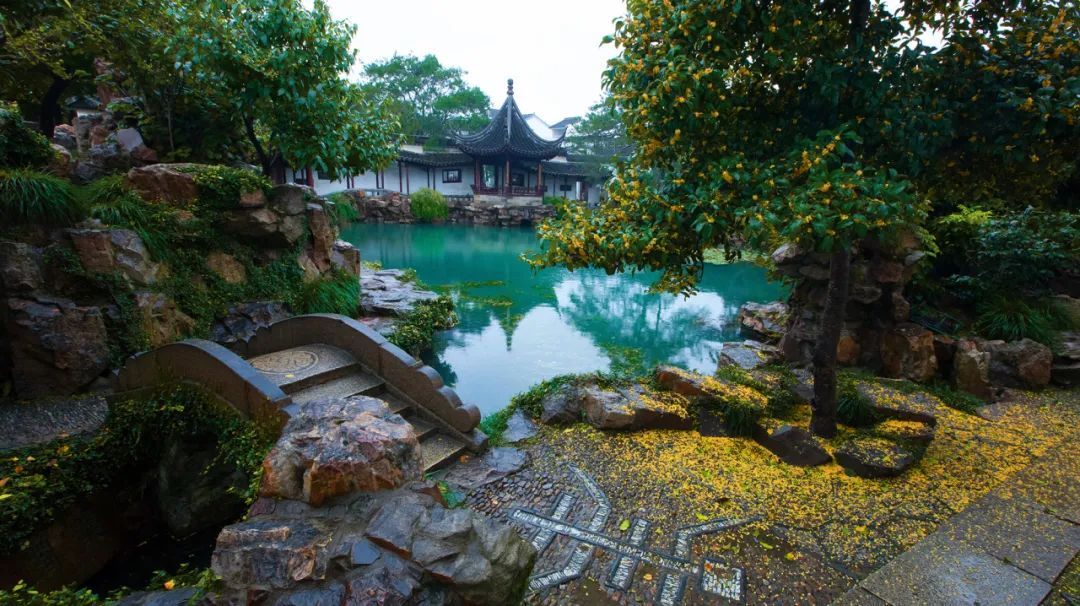
Classical Gardens of Suzhou
Introduction
The Classical Gardens of Suzhou epitomize the art of classical Chinese garden design, achieving a harmonious blend of natural and man-made elements. Situated in the historic city of Suzhou, Jiangsu province, these gardens are renowned for their intricate layouts, artistic landscaping, and architectural beauty. They offer a miniature representation of natural landscapes, embodying the traditional Chinese philosophical ideal of harmony between humans and nature. The Humble Administrator's Garden, Lingering Garden, Net Master's Garden, and the Mountain Villa with Embracing Beauty were officially recognized as a UNESCO World Cultural Heritage Site in 1997, underscoring their value as cultural and historical treasures. Then, in 2000, the Canglang Pavilion, Lion Grove Garden, Couple's Garden Retreat, the Garden of Cultivation, and the Retreat & Reflection Garden were also included as part of the expansion projects for Suzhou's classical gardens.
Occupying a unique place in the history of global landscape gardening, the Classical Gardens of Suzhou hold significant academic and aesthetic value. They serve as a rich resource for studying Chinese landscape architecture, culture, philosophy, and folklore. The gardens skillfully integrate landscape and architecture, creating tranquil environments where nature and human creations coexist in perfect balance. They embody the essence of Chinese "Mountain and Water" gardens.
Historical Background
The origins of Suzhou's classical gardens can be traced back to the 6th century, coinciding with the city's establishment as the capital of the Wu Kingdom. Royal hunting gardens served as the initial inspiration for these landscapes. By the 4th century, private gardens began to appear, reaching their zenith during the 18th century, a period marked by Suzhou's rise as an economic center. By then, around 250 gardens adorned the city, although time has claimed many of these. Today, more than 50 remain, with nine recognized as the epitome of classical garden design.
Over the centuries, these gardens evolved, reflecting the social, cultural, and economic changes of their times. They were often owned by high officials, business tycoons, artists, and literati, serving as private retreats and symbols of their owners' status and taste.
Cultural Significance
Suzhou's classical gardens are celebrated as cultural gems, reflecting the profound metaphysical significance of natural beauty in Chinese culture. They embody the philosophical tenets of harmony and balance, ideals central to Chinese thought. The gardens feature elements such as rockeries, water features, and carefully selected plant varieties, like plum blossoms and bamboo, which are imbued with cultural symbolism.
The gardens also serve as a repository of art and literature, inspiring countless poems, paintings, and scholarly works. The Craft of Gardens, published in 1634, is a seminal work that has influenced garden design in China and beyond, including Japan. Suzhou gardens, often described as living paintings, conceal ancient Chinese philosophy and moral values within their intricate layouts and designs.
Notable Gardens
Humble Administrator's Garden
The Humble Administrator's Garden is the largest and most renowned of Suzhou's classical gardens. It exemplifies the integration of natural landscapes with architectural elements. Water features prominently in the garden's design, complemented by pavilions and bridges that create a seamless connection between land and water.
Lingering Garden
Lingering Garden is celebrated for its artistic rockeries and the skillful arrangement of architecture and nature. It is known for its meticulously crafted buildings, corridors, and courtyards, which provide a harmonious and contemplative space for visitors.
Net Master's Garden
The Net Master's Garden is a smaller, more intimate space, renowned for its ingenious use of limited space. Its design emphasizes the aesthetic principles of simplicity and elegance, with features like delicate rockeries and tranquil water features.
Mountain Villa with Embracing Beauty
The Mountain Villa with Embracing Beauty is distinguished by its dramatic rock formations and carefully composed landscapes. It provides a sense of grandeur and majesty through its use of natural and man-made elements.
Canglang Pavilion
Canglang Pavilion, the oldest of Suzhou's classical gardens, is noted for its simplicity and natural beauty. Built along a small pond, it features an artificial hill and a stone bridge, blending architecture with the surrounding landscape in an organic manner.
Lion Grove Garden
Lion Grove Garden is famous for its intricate rockeries, designed to resemble the shapes of lions. Constructed during the Yuan Dynasty (1271-1368), it offers a tranquil retreat with a Zen-like atmosphere and has attracted many notable visitors throughout history.
Couple's Garden Retreat
The Couple's Garden Retreat is known for its tranquil ambience and exquisite layout. It combines artistic elements with natural beauty, offering visitors a serene and harmonious environment.
Garden of Cultivation
The Garden of Cultivation embodies historical and artistic value, retaining many of its original features. It includes a pond with stone bridges, pavilions, and a rock terrace, providing a glimpse into the garden's historical grandeur.
Retreat & Reflection Garden
Built between 1885 and 1887, the Retreat & Reflection Garden is a masterpiece of Qing Dynasty (1644-1911) private garden design. It is celebrated for its elegance and refined simplicity, providing a space for contemplation and aesthetic enjoyment.
Influence on Landscape Architecture
The Classical Gardens of Suzhou have had a profound influence on landscape architecture, both in China and internationally. Their design principles, emphasizing harmony between humans and nature, have inspired generations of landscape architects. Suzhou gardens have been emulated in various forms, from private retreats to public parks, influencing garden design across East Asia and beyond.
The gardens are a testament to the adaptability and enduring appeal of Chinese garden aesthetics. They have served as a blueprint for subsequent garden designs, blending traditional Chinese elements with modern innovations to create spaces that are both culturally significant and aesthetically pleasing. The principles outlined in the Craft of Gardens continue to guide garden design, emphasizing the creation of spaces that appear effortlessly natural.








